
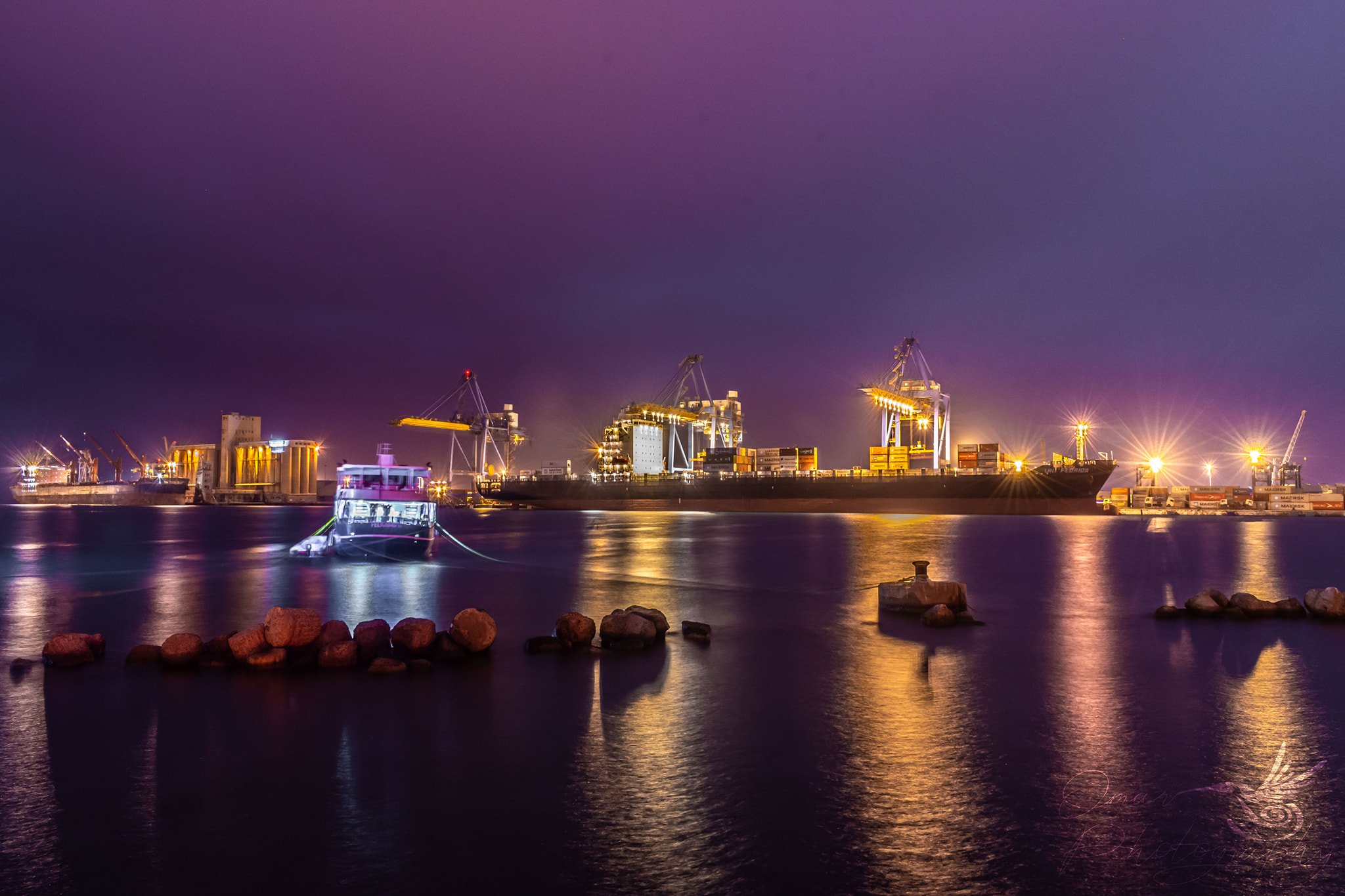
Port Sudan: Deep History, Living Heritage, and a Captivating Coast
Port Sudan lies on the western coast of the Red Sea in eastern Sudan. It is not just a coastal city, but the country’s main maritime gateway and commercial port. The city was founded in the early 20th century to replace the historic port of Suakin, and its strategic location quickly made it central to Sudan’s trade and connection with the outside world.
Image (Free Use): Red Sea coastline / aerial coastal city view
Historical Background and Cultural Identity
Port Sudan grew as a modern port city, shaped by maritime trade and cultural exchange. The city is deeply connected to the Beja people, whose presence influenced local traditions, architecture, and daily life. Over time, Port Sudan became a meeting point for traders, sailors, and communities moving between Africa and the Red Sea region, giving it a diverse and distinctive identity.
Image (Free Use): Sudanese cultural life / Beja people
Port Sudan Corniche
The Corniche is one of the most vibrant areas of the city. Stretching along the Red Sea, it is a popular gathering place for locals and visitors who come to enjoy the sea breeze and sunset views. The Corniche reflects the city’s close relationship with the sea, both as a source of livelihood and natural beauty.
Image (Free Use): Seaside promenade / Red Sea waterfront
The Maritime Museum
The Maritime Museum preserves the memory of Port Sudan’s seafaring history. It displays traditional fishing tools, maritime artifacts, and information about navigation and trade in the Red Sea. Although modest in size, the museum offers valuable insight into the city’s long connection with the sea.
Image (Free Use): Maritime museum or nautical artifacts
Beaches and Fishermen’s Life
Port Sudan’s public beaches provide an authentic view of daily coastal life. Traditional fishing boats line the shore, and fishermen can be seen bringing in their daily catch. These areas offer visitors a direct and honest experience of the city, far from formal tourist settings.
Image (Free Use): Fishing boats and fishermen on the shore
Diving Sites and Coral Reefs
The waters off Port Sudan are among the clearest in the Red Sea and are famous for their untouched coral reefs. These diving sites attract enthusiasts from around the world and give the city global environmental and tourism value, thanks to the rich marine life and pristine underwater scenery.
Image (Free Use): Red Sea coral reefs and marine life
Sanganeb Marine Reserve and Mukkawar Island
The Sanganeb Marine Reserve and Mukkawar Island represent one of Sudan’s most important natural treasures. Recognized as a UNESCO World Heritage Site, the area is known for its rare coral formations and marine ecosystems. It is a key destination for nature lovers and divers.
Image (Free Use): Lighthouse or marine reserve view
Conclusion
Port Sudan is more than a port city. It is a place where history, sea, and culture intersect. Despite the challenges it faces, the city holds strong tourism and heritage potential. With proper preservation and development, Port Sudan can stand as one of the Red Sea’s most distinctive coastal cities.
Image (Free Use): Panoramic view combining the city and the sea
